CNC Bending vs Conventional Bending: What's the Difference?
When it comes to bending metal, manufacturers often face the decision between using **CNC (Computer Numerical Control) bending** or conventional bending techniques. Both methods have their advantages and applications depending on the type of work, precision required, and production volume. In this article, we’ll compare the two techniques and discuss their unique benefits and limitations.
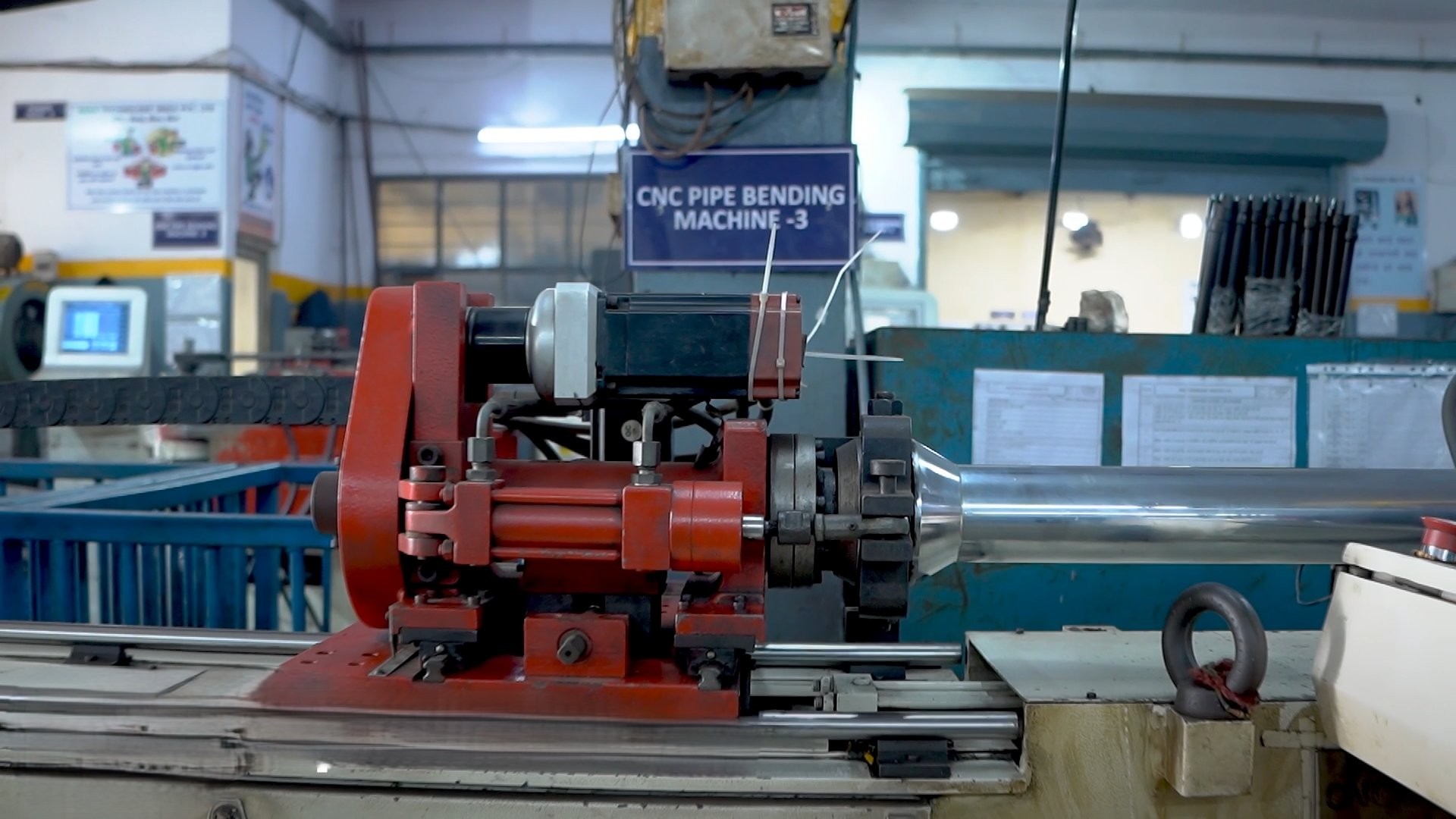
**CNC Bending** is a modern process that uses computer control to accurately bend metal sheets or bars into desired shapes. This process involves a bending machine that is programmed with precise measurements for high precision. In contrast, **Conventional Bending** is a manual process where operators use tools like press brakes to bend materials without the aid of computer control, making it more reliant on human skill and judgment.
One of the main advantages of **CNC Bending** is the level of precision it offers. With CNC technology, complex bends can be executed with minimal tolerance errors, making it ideal for high-precision parts required in industries like aerospace, automotive, and medical device manufacturing. The automated process allows for repeatability, ensuring that each part is bent to the same exact specification every time.
On the other hand, **Conventional Bending** tends to be faster for smaller production runs or simpler jobs that don’t require high precision. Since the process is largely manual, it allows for more flexibility, making it ideal for prototype work or when adjustments need to be made on the fly. However, the lack of automation means there is a greater risk of human error, and achieving the same level of precision as CNC bending can be difficult, especially in large-scale production.
Ultimately, the choice between CNC and conventional bending comes down to the specific needs of the project. If you require high precision and the ability to handle complex designs with consistency, CNC bending is the better option. If you're looking for a more flexible, cost-effective solution for smaller batches or prototypes, conventional bending may be a better fit.